Fairlane Residences Find the Home That Feels Like You

Fairlane Residences

Find the Home That Feels Like You

Latest Articles

Square Footage Is a Number. Layout Is Your Life.
Neighborhood & Lifestyle

Square Footage Is a Number. Layout Is Your Life.

A unit's listed square footage tells you how much space exists. It tells you almost nothing about whether that space will actually work for how you live. Before signing a lease, prospective renters owe it to themselves to apply a more rigorous standard—one built around furniture, traffic, and the honest geometry of daily life.

Why the Streets Themselves Keep People From Leaving
Neighborhood & Lifestyle

Why the Streets Themselves Keep People From Leaving

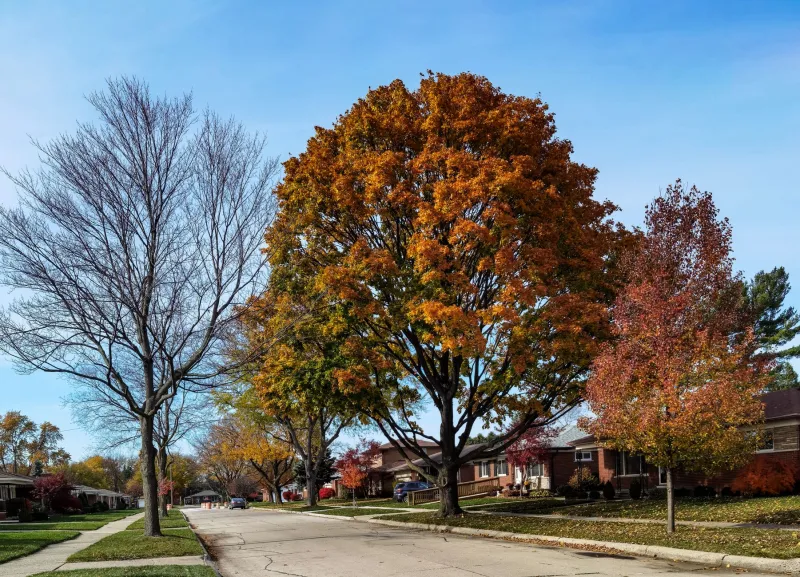
Certain neighborhoods hold their residents far longer than others, and the explanation rarely has anything to do with amenities or price. The answer is often embedded in the street grid itself—in the width of the sidewalks, the rhythm of the blocks, and the quiet logic of how a community was originally laid out.

The Apartment Was Quiet at 2 PM. It Was Not Quiet at Midnight.
Financial Guidance

The Apartment Was Quiet at 2 PM. It Was Not Quiet at Midnight.

Touring an apartment on a Saturday afternoon is one of the least informative ways to evaluate what living there will actually sound like. Noise environments shift dramatically across hours and days, and the unit that seems perfectly peaceful during a weekday showing may sit directly beneath a flight path, adjacent to a loading dock, or within earshot of a bar district that doesn't wake up until after 10 PM.

Designed for People First: Why Mid-Century Planning Still Produces the Most Livable Communities
Neighborhood & Lifestyle

Designed for People First: Why Mid-Century Planning Still Produces the Most Livable Communities

Long before 'walkability scores' existed as a marketing metric, mid-century planners were quietly engineering neighborhoods around human movement, mixed-use streets, and scaled public space. Those principles never became obsolete — they simply got abandoned. Understanding what they looked like, and where they survive, may be the most underappreciated skill a renter or buyer can develop.

Month Fourteen: The Honest Assessment Your First Weeks Could Never Give You
Neighborhood & Lifestyle

Month Fourteen: The Honest Assessment Your First Weeks Could Never Give You

The first weeks in a new home are consumed by novelty and adjustment. Real patterns — how you actually use the space, what quietly irritates you, what you genuinely value — only emerge once the newness fades. Understanding what to observe in your second year may be the most practical tool you have for making a sound decision about whether to stay, upgrade, or move on.

What the Brochure Won't Show You: Evaluating a Building's Structural Health Before You Commit
Financial Guidance

What the Brochure Won't Show You: Evaluating a Building's Structural Health Before You Commit

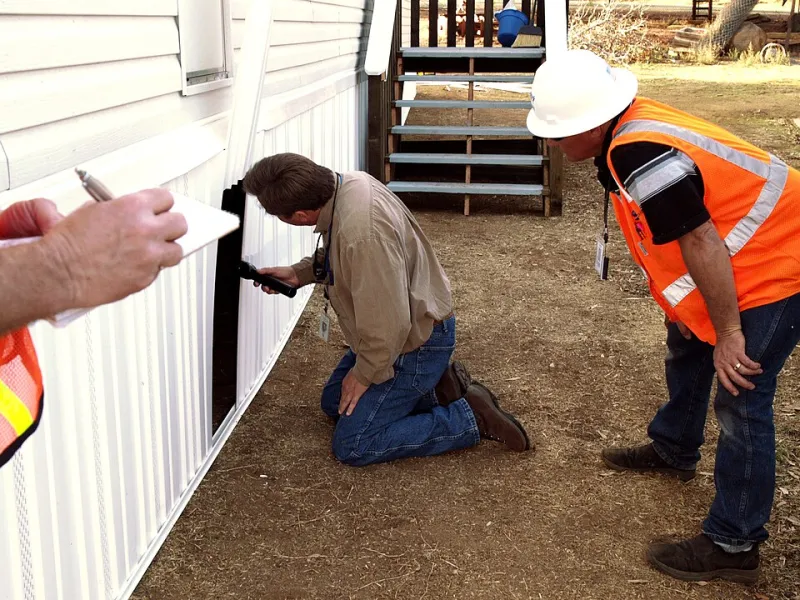
Rooftop terraces and co-working lounges photograph beautifully, but they tell you nothing about whether a building's plumbing, foundation, or HVAC systems are prepared to serve you reliably for the next several years. Understanding how to evaluate structural quality — and which questions to ask before signing — is among the most financially consequential skills a renter or buyer can develop.

Paved With Purpose: How Street Design Quietly Engineers Your Social Life
Neighborhood & Lifestyle

Paved With Purpose: How Street Design Quietly Engineers Your Social Life

The layout of the streets surrounding your home does far more than direct traffic—it determines which neighbors you encounter, how often you see familiar faces, and ultimately who enters your life. Urban designers have long understood that physical infrastructure shapes social infrastructure, and prospective residents would do well to pay attention.

What the Numbers Know: Reading Utility Costs and Maintenance Patterns as a Building Health Report
Financial Guidance

What the Numbers Know: Reading Utility Costs and Maintenance Patterns as a Building Health Report

Before a building's problems announce themselves through a leaking ceiling or a failed HVAC system, they leave quieter signals in monthly utility bills, maintenance request logs, and facility fee structures. Residents who learn to read these early indicators gain a significant advantage in assessing long-term residential risk before committing to a lease.

Built Before the Formula: Why Vintage Apartment Buildings Often Fit Adult Life Better Than New Construction
Neighborhood & Lifestyle

Built Before the Formula: Why Vintage Apartment Buildings Often Fit Adult Life Better Than New Construction

New construction carries an almost reflexive appeal—fresh finishes, modern appliances, and the psychological comfort of being first. But for residents entering more deliberate chapters of adult life, older apartment buildings frequently offer something that developer-spec units cannot: a physical environment shaped by genuine living rather than marketing assumptions.

The Modest Unit Advantage: Why Building Quality Outranks Unit Finishes Every Time
Financial Guidance

The Modest Unit Advantage: Why Building Quality Outranks Unit Finishes Every Time

In residential real estate, the instinct to chase the most impressive unit available is understandable—but it is frequently the wrong instinct. The residents who tend to be most satisfied over time are those who prioritized the integrity of the building and the competence of its management over the appeal of upgraded countertops and a higher floor.

Before You Sign, Consider the Dog: How Your Pets Should Drive Your Housing Decision
Neighborhood & Lifestyle

Before You Sign, Consider the Dog: How Your Pets Should Drive Your Housing Decision

For the millions of Americans who share their lives with animals, a home is never just a home—it is a habitat for every member of the household. Understanding how pet policies, hidden fees, and community design affect pet owners can mean the difference between a residence that genuinely fits your life and one that merely tolerates it.

The Illusion of Open Options: What Perpetual Rental Flexibility Actually Costs You
Financial Guidance

The Illusion of Open Options: What Perpetual Rental Flexibility Actually Costs You

Month-to-month rental arrangements are frequently marketed as a form of freedom, but freedom from commitment is not the same as freedom from consequence. For many residents, the perpetual availability of an exit produces not liberation but a low-grade, persistent uncertainty that quietly undermines their ability to invest in their space, their community, and their future.

Signed, Sealed, Redirected: The Quiet Ways Your Lease Is Steering Your Life
Financial Guidance

Signed, Sealed, Redirected: The Quiet Ways Your Lease Is Steering Your Life

A lease agreement is rarely treated as a life document—but in practice, it functions as one. The structure of your housing commitment shapes your professional risk tolerance, your relationship decisions, and your long-term financial trajectory in ways that most residents never fully examine. Understanding the invisible pressure that housing contracts exert on major life choices may be the most underrated form of financial self-awareness available to any renter or buyer.

The Myth of the Better Address: What You Lose When You Chase Someone Else's Ideal Neighborhood
Neighborhood & Lifestyle

The Myth of the Better Address: What You Lose When You Chase Someone Else's Ideal Neighborhood

The promise of a prestigious zip code or a curated neighborhood aesthetic can feel irresistible—but the pursuit of an idealized address often comes at a social cost that no listing will disclose. Authentic community isn't a feature of a location; it is the product of time, familiarity, and deliberate investment in the people around you. Before you sign a lease in the neighborhood you've admired from a distance, it is worth asking what you may be leaving behind.

Light Before Everything: Why Natural Illumination May Be the Most Honest Measure of a Home
Neighborhood & Lifestyle

Light Before Everything: Why Natural Illumination May Be the Most Honest Measure of a Home

Of all the variables that determine whether a resident will feel genuinely at home in an apartment, few are as consequential—or as routinely underestimated—as natural light. Orientation, neighboring structures, and seasonal variation create light conditions that affect mood, productivity, and daily well-being in measurable ways, yet most prospective tenants evaluate a unit's light quality during a single midday visit. A more rigorous approach to assessing natural illumination could meaningfully

The Compounding Value of Staying: What Residential Stability Does to Your Financial Future
Financial Guidance

The Compounding Value of Staying: What Residential Stability Does to Your Financial Future

Frequent moves may feel like progress, but the numbers tell a quieter story. Long-term residents build a form of financial and social equity that serial movers rarely capture. This piece examines the overlooked compounding advantages of planting roots—and why staying put may be one of the most strategic decisions you can make.

The Architecture Between Doors: Why Shared Spaces Define the Homes We Actually Inhabit
Neighborhood & Lifestyle

The Architecture Between Doors: Why Shared Spaces Define the Homes We Actually Inhabit

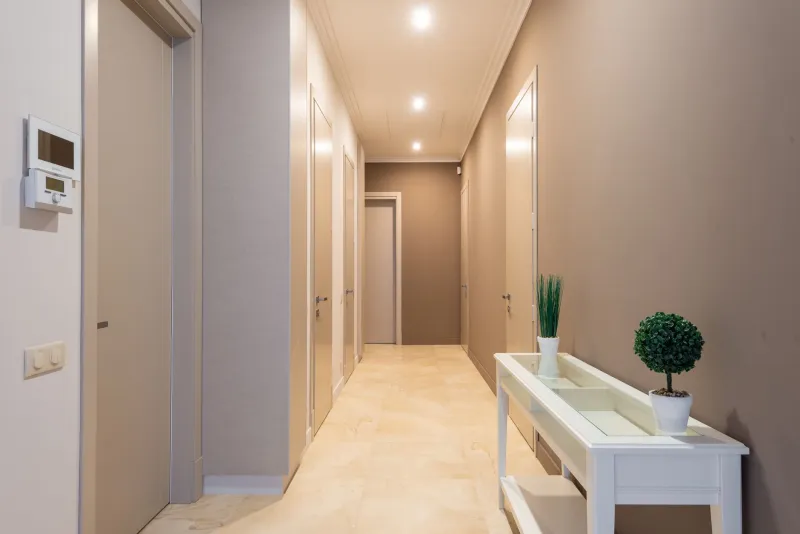
Square footage captures most of the attention during an apartment search, but the spaces between units—lobbies, corridors, shared lounges—quietly determine whether a building feels like a community or a storage facility for people. Understanding what intentional common-area design actually does to residents' daily experience is one of the more underrated skills a prospective tenant or buyer can develop.

Twelve Months of Consequences: How Regional Seasons Should Factor Into Every Housing Decision
Neighborhood & Lifestyle

Twelve Months of Consequences: How Regional Seasons Should Factor Into Every Housing Decision

A home that feels perfect in October may impose genuine hardships by February—or July. Seasonal extremes shape daily routines, utility budgets, health outcomes, and lifestyle quality in ways that a single apartment tour rarely reveals. Before committing to a lease or purchase, prospective residents owe it to themselves to evaluate how a region's full annual cycle will intersect with their specific needs.

When Home and Work Share the Same Zip Code: The Surprising Ways Short Commutes Remake Your Entire Life
Neighborhood & Lifestyle

When Home and Work Share the Same Zip Code: The Surprising Ways Short Commutes Remake Your Entire Life

The conversation around commute costs typically stops at dollars and minutes. But living close to where you work triggers a cascade of behavioral and psychological changes that touch nearly every dimension of daily life—from how deeply you sleep to how consistently you invest in the people who matter most. The evidence suggests that proximity to your workplace may be one of the most consequential residential decisions you will ever make.

Your Neighbors Are Not Accidental: How Your Residential Address Quietly Shapes Your Social World
Neighborhood & Lifestyle

Your Neighbors Are Not Accidental: How Your Residential Address Quietly Shapes Your Social World

Sociological research has long established that where you live does far more than provide shelter — it actively curates the people you meet, the communities you join, and the social rhythms you adopt. Understanding how residential location shapes your social ecosystem may be one of the most overlooked factors in any housing decision. At Fairlane Residences, we believe finding the right home means understanding every dimension of how a place will shape your life.