Where the Boxes Land: Reading a Building’s Delivery Operation Before You Sign

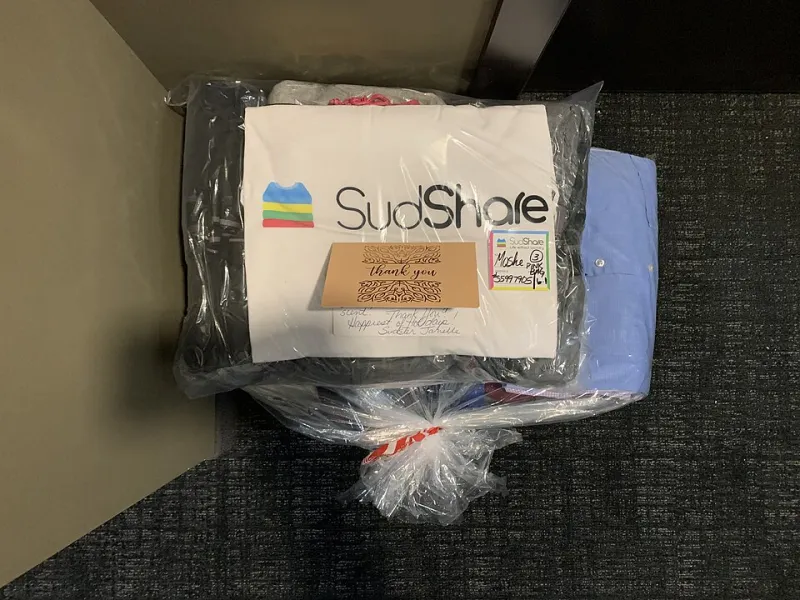
Photo: modern apartment package room with parcel lockers and delivery shelves, via www.openhousedesigns.com
The package room is now one of the most consequential spaces in a residential building. It is where e-commerce meets operations, where a courier’s thirty-second handoff becomes a resident’s daily convenience or a recurring source of frustration. For prospective renters and buyers, the room offers something a staged lobby cannot: direct evidence of how management handles repetitive, high-volume tasks when no one is watching.
A daily audit conducted by strangers
Every parcel is a small test. A carrier arrives with a label, a deadline, and no patience for improvisation. The building must decide who can enter, where the item goes, how it is recorded, how the resident is notified, and what happens when the resident does not appear for three days. Multiply that by hundreds of deliveries per week, add grocery orders that need refrigeration and returns that need a reverse handoff, and the package room becomes an operational nerve center.
Buildings that manage this well tend to share visible habits. Access is controlled but not hostile. Deliveries are logged. Residents receive clear, timely notifications. Oversized items have a designated path. Perishables have a shelf-life policy. The room is clean, lit, and monitored. None of these details are glamorous, but together they show a management team that understands its job is to absorb friction rather than pass it along.
Chain of custody is the real security feature
Theft gets the headlines, but the more common failure is a broken chain of custody. A package is left in a hallway. A carrier is given a code that should have been rotated. A locker assignment is not recorded. A resident is told a parcel arrived when it is still on a truck. Each gap creates the conditions for loss, dispute, and distrust.
A credible package operation can explain, in plain language, who receives deliveries, which carriers have after-hours access, how labels are matched to units, and what identification is required at release. It can also explain what happens when something goes wrong. Is there a camera system covering the room and the entry? Are logs retained? Is there a named staff member responsible for resolving delivery disputes? A building that answers these questions quickly is likely to handle other operational issues with similar discipline.
Staffing and hours reveal priorities
Some buildings rely on the front desk to sign for everything. That can work in a small property, but it becomes untenable when a single attendant is expected to greet visitors, manage keys, answer calls, and process a wall of boxes during the evening rush. Other buildings use dedicated receiving staff, centralized locker systems, or a combination of both. The choice is not merely technical. It signals how management allocates labor and whether it understands peak demand.
Tour the package area at different times if possible. A midday visit may show a calm, organized room. A Monday evening or a Saturday morning may show the real workload. Ask how holiday volume is handled. Ask whether deliveries are accepted on weekends. Ask what happens when the regular staff member is out. The answers will tell you whether the operation is a system or a single person’s heroic effort.
The software is part of the building
Modern package rooms increasingly depend on software: locker assignments, barcode scanning, resident notifications, audit trails, and integration with building apps. This can be excellent, but only if the system is maintained. Look for whether residents receive consistent notifications, whether failed deliveries are reattempted, and whether the room has a backup process when the network is down. A beautiful bank of lockers with no clear support path is a decoration, not an amenity.
Accessibility matters as well. Can a resident with a stroller, a mobility device, or a large grocery order navigate the room? Are shelves reachable? Is there space to set down a bag while opening a locker? These details are rarely mentioned in marketing materials, but they determine whether the room works for the full range of residents.
Questions to ask before you sign
- How are packages received, and which carriers have access to the building?
- Are deliveries logged, and can residents see a record?
- What is the notification process, and how quickly are residents informed?
- How are perishable grocery deliveries handled?
- Where do oversized items go, and who is responsible for moving them?
- What is the policy for returns and reverse logistics?
- How are packages released, and what identification is required?
- What happens if a package is lost or stolen, and who investigates?
- Are cameras monitored, and how long is footage retained?
- How does the building handle peak-season volume and staff absences?
- Is the package room accessible after hours, and is the route safe and well lit?
The quiet promise of a well-run room
A package room will never sell a lease the way a skyline view will. But it performs a quiet promise every day: that the building can handle the ordinary, repetitive, unglamorous work of modern life. For a renter or buyer, that promise is worth more than a glossy rendering. The boxes will keep arriving. The question is whether the building has built a system to receive them.