The Premium Behind the Listing: Climate Risk, Insurance, and the 2026 Housing Decision
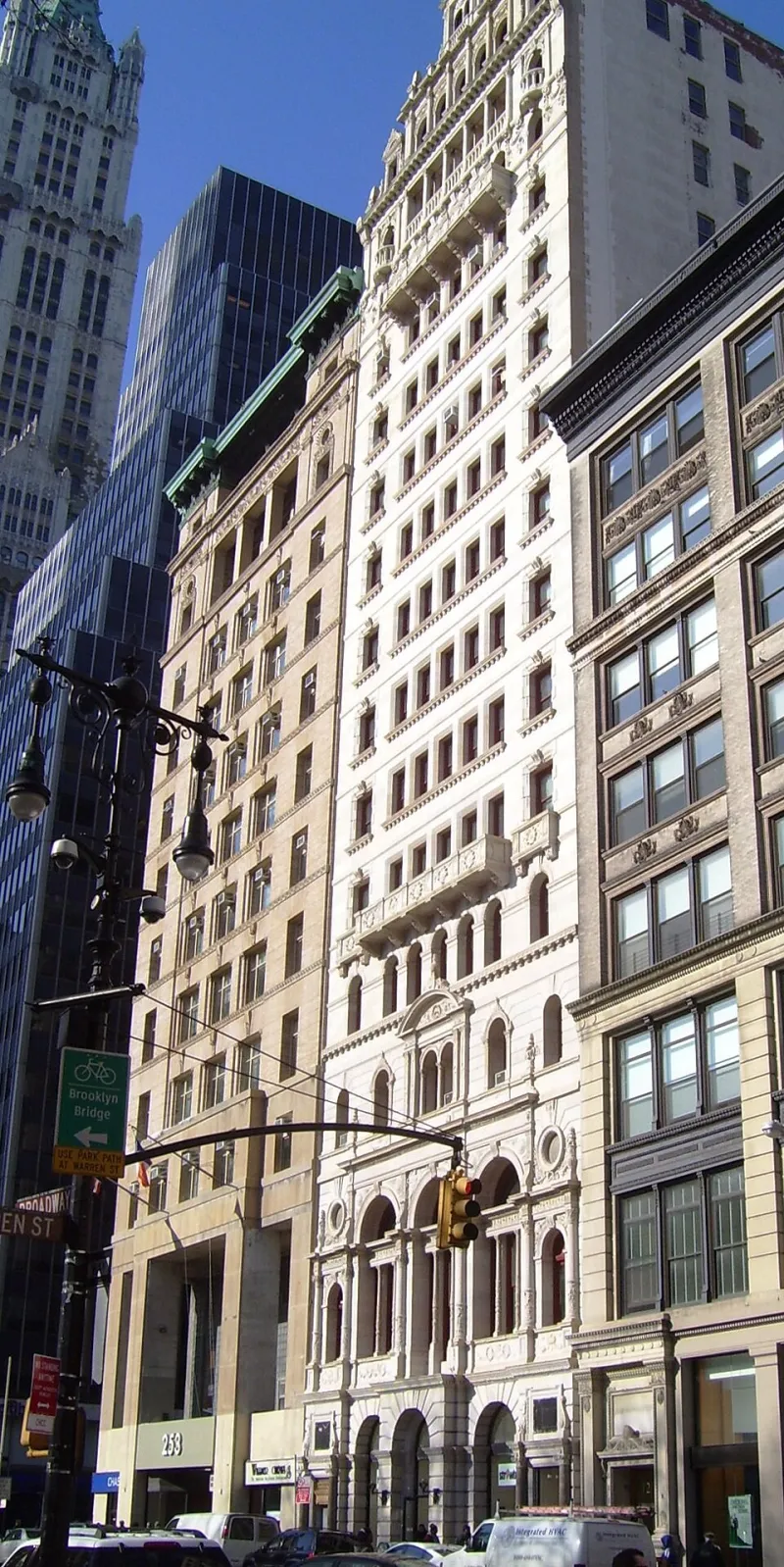
Photo: Beyond My Ken, CC BY-SA 4.0, via Wikimedia Commons
In 2026, the advertised rent or sale price is an incomplete number. Insurance markets have become a visible force in housing costs, and climate exposure can show up in premiums, deductibles, reserves, and future rent increases long after a lease is signed or a sale closes. The listing may never mention these factors. The household budget will.
This is not a prediction of any single property’s fate, nor is it insurance advice. It is a framework for asking better questions. Risk is not a reason to avoid every home. It is a line item that deserves to be read alongside the price.
Why insurance belongs in the search
Insurance is not merely a closing-cost afterthought. For owners, it is an annual expense that can change materially from year to year. For renters, the landlord’s policy is part of the building’s operating cost, and operating costs can be passed through in renewals. In multifamily buildings, insurance also interacts with HOA budgets, reserve studies, and special assessments. A property that looks affordable on the listing sheet can become less so when the insurance line is included.
The broader market matters as well. In recent years, several US regions have seen carriers tighten underwriting, raise premiums, or withdraw from certain lines of business. That does not mean every building in those regions is uninsurable. It means the cost and availability of coverage are now part of the housing decision, not a footnote.
Three risks to separate
It helps to distinguish three kinds of risk. The first is physical hazard: flood, wildfire, wind, hail, heat, and other perils that can damage a property. The second is insurance-market risk: the possibility that premiums rise, deductibles increase, or coverage becomes harder to obtain. The third is resilience risk: whether the building and its management are prepared for the hazards that are most likely in that location.
A property can be physically exposed but well insured and well prepared. Another can be less exposed but poorly maintained and underinsured. The goal is not to find a zero-risk address. It is to understand which risks are present, how they are priced, and who bears them.
What the building policy does and does not cover
For renters, the building’s master policy generally covers the structure and common areas, not the resident’s personal property. Renters insurance is still necessary for belongings and liability. Ask what the master policy covers, what the deductible is, and whether the building has any recent claims history. For buyers, the review is deeper: the HOA insurance schedule, reserve study, budget, and any pending assessments.
Pay attention to policy structure. A replacement-cost policy is different from an actual-cash-value policy. A percentage deductible can be far more expensive than a fixed dollar deductible. Flood coverage is often separate from a standard property policy, and wildfire or wind coverage may have its own terms. These details are not glamorous, but they determine how a loss would actually be handled.
Reading the address through a risk lens
Start with location. FEMA flood maps, state hazard mitigation plans, local emergency management resources, and wildfire risk assessments can provide a first look. These tools are not destiny, and maps can lag behind current conditions, but they are a reasonable starting point. Ask whether the property has an elevation certificate, a drainage plan, or a history of water intrusion.
Then look at the building itself. For flood risk, consider where mechanical systems are located and whether there are barriers or pumps. For wildfire risk, ask about roofing, vents, defensible space, and emergency plans. For wind and hail, ask about roof age, window ratings, and maintenance records. For heat, consider cooling capacity, shade, and backup power. None of these features can eliminate risk, but they can change how a building performs when a hazard arrives.
The pass-through problem
Insurance costs do not stay in the insurance ledger. Owners face premium increases, and those increases can influence rents, HOA dues, reserves, and maintenance budgets. A building with thin reserves and rising premiums may be more likely to defer maintenance or levy a special assessment. A renter may see the effect at renewal. A buyer may see it in the HOA budget.
Ask how insurance is budgeted and how often the policy is reviewed. Ask whether the building has received a premium increase in the past few years and how it was absorbed. Ask whether the reserve study accounts for insurance deductibles and climate-related repairs. These questions are not accusatory. They are simply part of reading the full cost of a home.
A practical framework for 2026
- Locate the hazard. Use public maps and local data to identify the dominant risks for the address.
- Request the cost history. Ask for insurance premium trends, HOA budget details, and reserve information where applicable.
- Verify resilience features. Look for documented improvements, not just marketing language.
- Model the what-if. Consider how a premium increase, deductible, or special assessment would affect your monthly budget.
- Confirm your own coverage. For renters, price renters insurance. For buyers, get quotes before making an offer.
- Put the answers in writing. Verbal assurances are not a risk-management strategy.
Questions for the tour or the offer
- What is the building’s insurance premium trend over the past several years?
- What is the policy deductible, and is it a fixed amount or a percentage?
- Does the policy include flood, wind, or wildfire coverage, or are those separate?
- Has the building filed claims related to water, fire, or storm damage?
- What resilience features are in place, and when were they installed?
- How does the HOA or owner budget account for insurance increases?
- Are there pending special assessments or reserve shortfalls?
- What does the master policy cover, and what should a resident insure separately?
The number behind the number
A home that feels like you should also be a home you can afford to keep. In 2026, that means looking past the listing price to the risks and costs that sit behind it. Climate exposure and insurance are not abstract concerns. They are part of the monthly math, the renewal conversation, and the long-term budget. The right questions will not make risk disappear. They will make it visible, which is the first step toward a sound decision.