Built Before the Formula: Why Vintage Apartment Buildings Often Fit Adult Life Better Than New Construction
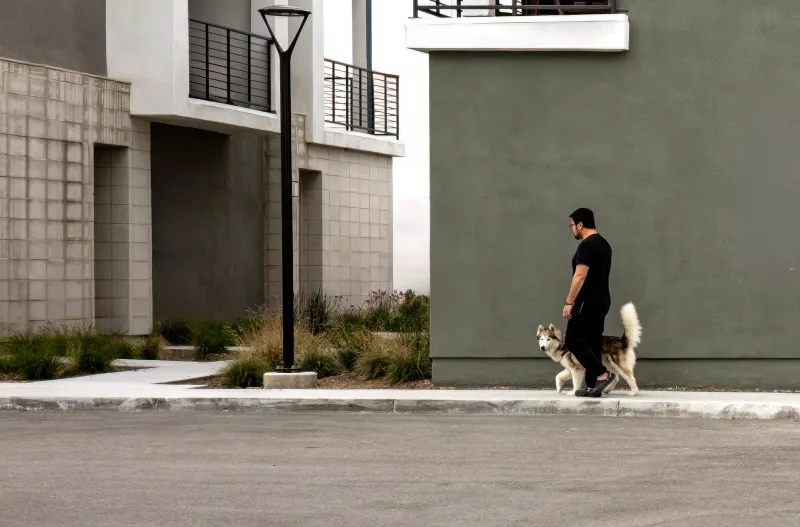
The new construction apartment has become the default aspiration for a significant segment of the American rental market. Stainless steel appliances, quartz countertops, in-unit laundry, and a fitness center with equipment that still smells faintly of the factory—these are the features that fill listing photographs and drive leasing conversations. The implicit promise is that newness equals quality, and that a building constructed recently is, by definition, a better place to live.
That premise deserves scrutiny. For many residents navigating established adult lives—with professional routines, genuine privacy needs, and a preference for community over novelty—vintage residential buildings frequently outperform their newer counterparts in ways that matter more than any appliance upgrade.
What "Character" Actually Means Structurally
When real estate professionals describe an older building as having "character," they are often gesturing at something they find difficult to quantify. The word functions as a soft substitute for a more precise observation: that buildings constructed in earlier decades were frequently built to different—and in certain respects, more demanding—physical standards than those constructed under contemporary cost optimization pressures.
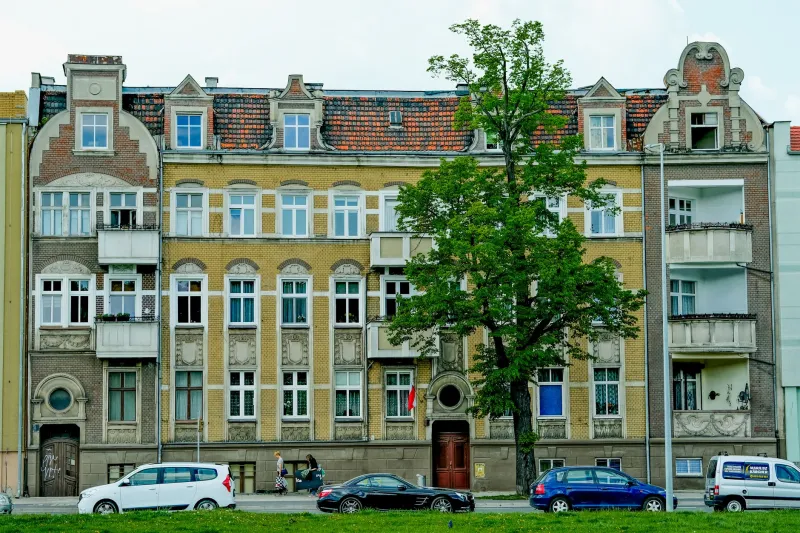
Consider wall construction. Apartment buildings erected between the 1920s and the 1970s were commonly built with masonry load-bearing walls, plaster over lath, or poured concrete construction. These materials are acoustically superior to the lightweight wood-frame and drywall assemblies that dominate contemporary multifamily construction. A resident in a pre-war building in Chicago or New York will often experience a degree of acoustic separation between units that a resident in a new-construction building in the same city cannot access at any price point.
Ceiling height is another structural variable that correlates strongly with building age. The nine-foot ceilings that developers now advertise as a premium feature were standard—and frequently exceeded—in residential construction from earlier periods. A twelve-foot ceiling in a 1940s apartment building is not a selling point; it is simply what was built. That additional volume changes the character of a room in ways that are difficult to replicate with finishes or furniture.
The Proven Layout Advantage
Contemporary apartment design is shaped by a combination of genuine spatial research and aggressive cost reduction. The result is often a unit that photographs beautifully but functions imperfectly—open floor plans that eliminate acoustic separation between living and sleeping areas, galley kitchens that photograph as "efficient" but resist actual meal preparation, and bedroom configurations that prioritize square footage minimization over livability.
Vintage apartment layouts, by contrast, were designed in an era when rooms served distinct functions and walls were not considered an architectural failure. Separate dining rooms, distinct living spaces, and kitchens with actual counter surface reflect a conception of domestic life that many adults—particularly those working from home or sharing a unit with a partner—find more functional than the contemporary open-plan alternative.
This is not nostalgia. It is a practical observation about how physical space supports or undermines the specific activities of adult daily life. A resident who needs to conduct video calls from home, cook regularly, and maintain a meaningful separation between work and rest will often find that a 1950s apartment with defined rooms serves those needs more effectively than a 2024 unit with an identical square footage and a visually dramatic kitchen island.
Established Communities and the Value of Residential Continuity
New construction buildings begin their lives as social voids. Every resident arrives simultaneously, bringing no shared history, no established norms, and no organic community. The social environment that develops is genuinely unpredictable—it may cohere into something meaningful, or it may remain a collection of strangers sharing an elevator for the duration of their respective leases.
Vintage buildings with stable management and low turnover rates offer something categorically different: a residential community that has already formed. Long-term tenants have established relationships with one another and with building staff. Norms around noise, common area use, and neighbor interaction have been worked out over time. A new resident joining this environment is entering an existing social structure rather than building one from scratch.
For residents who value community without requiring the effort of cultivating it from nothing, this distinction is significant. The social infrastructure of an established building is as real as its physical infrastructure—and considerably harder to replicate in a newly opened development.
The Financial Realities of Vintage Versus New
New construction commands a premium, and that premium is not always justified by the underlying value delivered. Developers price new units to recover construction costs and generate returns within a compressed timeframe. The result is that new buildings in most major American metropolitan markets carry rents that reflect their newness more than their livability.
Vintage buildings, particularly those outside the immediate orbit of new development activity, frequently offer more square footage per dollar, more generous room proportions, and—where rent stabilization or rent control ordinances apply—greater predictability in long-term housing costs. For residents who intend to stay in a location for multiple years, the financial case for a well-maintained older building is often stronger than the emotional pull of new construction suggests.
The critical qualifier is management quality. A vintage building with deferred maintenance and an inattentive ownership structure is not a value—it is a liability. The advantages of older construction are realized only when the building has been maintained with the care its physical quality warrants. Prospective residents should evaluate management responsiveness, maintenance records, and building systems condition with the same rigor they would apply to any significant financial commitment.
What Newer Residents Often Discover Too Late
Many residents who commit to new construction based on the appeal of fresh finishes report a specific disillusionment within the first year of occupancy: the building does not feel like a home. It feels like a product. The lobby is designed for Instagram. The amenities are numerous but impersonal. The neighbors are transient, the staff is frequently changing, and the acoustic environment—thin walls, hollow doors, lightweight construction—is more disruptive than anticipated.
This is not a universal experience, and there are genuinely excellent new residential developments in the American market. But the pattern is common enough to warrant serious reflection. A building constructed with craft, inhabited over decades, and managed with continuity has had the opportunity to become something that a newly delivered product has not: a genuine place.
Finding the Right Building, Not the Newest One
At Fairlane Residences, our position is straightforward: the best home for a given resident is the one that aligns most precisely with how that person actually lives, not with what the current development cycle is producing. For many adults in established life chapters, that home is more likely to be found in a vintage building with proven bones, generous proportions, and an existing community than in a newly delivered unit with a rooftop deck and a concierge app.
The question worth asking is not how old the building is, but whether it was built to last—and whether it has been treated accordingly. Those answers, more than any finish package or amenity list, will determine the quality of the life you lead within its walls.